
Culturally Tailored Program Tackles
Colorectal Cancer Screening Disparities
Through a dedicated two-year effort, Hill Physicians’ Community Health Advocates (CHAs) not only addressed the colorectal cancer screening disparity among Hispanic/Latino patients in the network but successfully eliminated the disparity in 2025.
It started with outreach in 2024, after an analysis of Hill Physician’s Medicare full-risk population in Sacramento and San Joaquin showed that only 60 percent of Hispanic or Latino patients were screened for colorectal cancer in 2023, compared to 67 percent of non-Hispanic or Latino members.
As part of the program, Hill Physicians’ Spanish-speaking CHAs conducted culturally tailored education, guided patients through test options and selection, and followed up to address any barriers or health-related social needs.
The CHA team was able to connect with about half of the targeted patients. Among those reached, Spanish was the preferred language for 41 percent of respondents.
By the end of 2025, screening rates for those Hispanic or Latino patients in Sacramento and San Joaquin rose to 76 percent.
“It’s a phenomenal result,” said Jennifer Radecke, PharmD, Vice President of Population Health Strategy. “We recognized the importance of creating a targeted and culturally tailored program to address this long-standing health disparity.”
The disparity was not unique to Hill Physicians. In 2025, the Centers for Disease Control and Prevention (CDC) reported that about 52 percent of Hispanic or Latino patients were screened for colorectal cancer vs. 63.5 to 65 percent for non-Hispanic or Latino patients.
“Speaking to our patients in their preferred language, educating them about the importance of screening, and addressing health-related social needs made all the difference,” said Jennifer. “Moving forward, we will continue to identify opportunities, develop targeted outreach programs, and leverage the strengths of our diverse care teams to better support our minority and under-resourced populations.”
Personalized Outreach Drives
Better Diabetes Outcomes
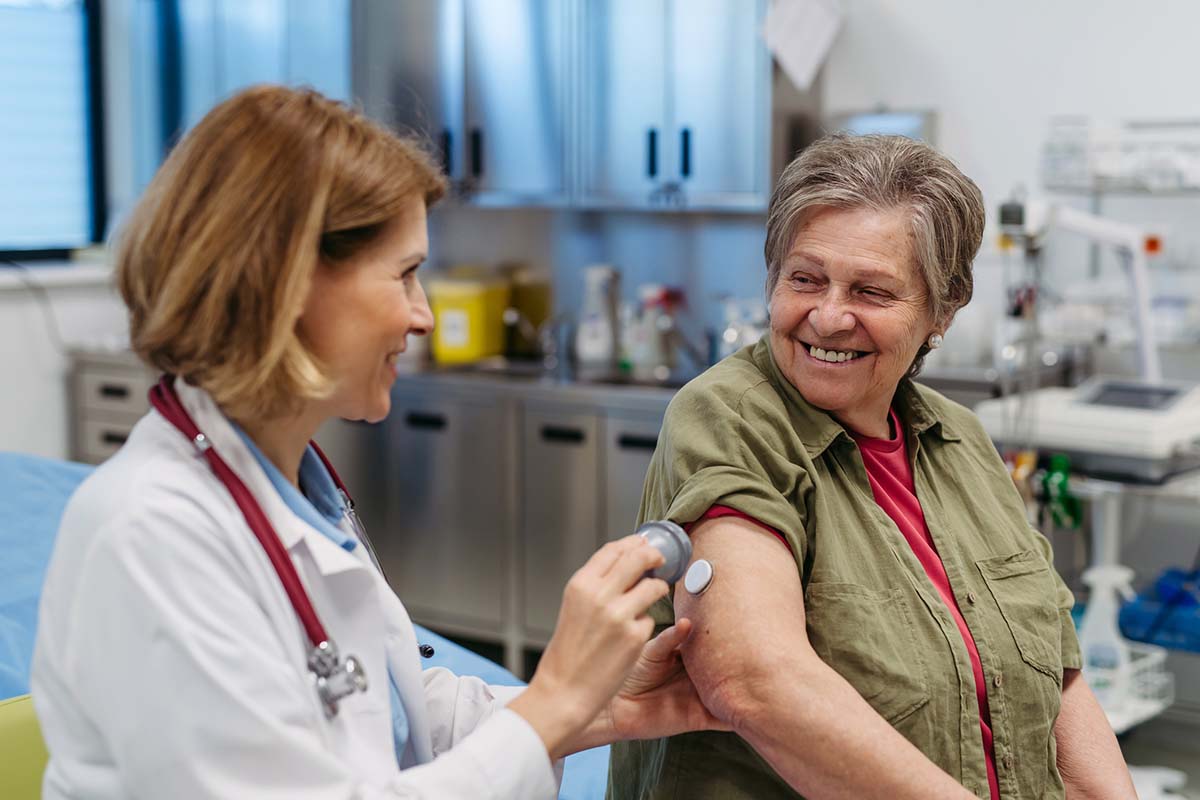
Managing diabetes is never simple, so this year, Hill Physicians took a more personal approach. Our Community Health Advocates (CHAs) delivered individualized education, support and social needs assistance that helped patients with type 2 diabetes achieve better blood sugar control.
In a 2025 study of 1,182 low-income Hill Physicians patients, those who completed the six-month CHA diabetes program lowered their HbA1c by 0.61 points more than a matched control group.
As part of the study, CHAs connected with patients through four structured calls covering key diabetes education topics, including blood sugar monitoring, nutrition, stress management, and lifestyle changes. They also helped patients stay current on important health screenings and addressed barriers such as the cost of insulin and testing supplies.
Reaching some patients was challenging, especially since many were wary of answering calls from unknown numbers, and language barriers often limited engagement.
“Going forward, we will strengthen our outreach and engagement strategies to connect with more patients and expand this program” said Jennifer Radecke, PharmD, Vice President of Population Health Strategy.
Programs like this, together with a broad set of diabetes-focused quality initiatives, helped Hill Physicians achieve 90th percentile performance on the Integrated Healthcare Association (IHA) Align.Measure.Perform (AMP) program’s Glycemic Status Assessment for Patients with Diabetes <8.0% measure for Commercial HMO patients in 2025.
“Building on this momentum, we will continue to grow and refine our efforts to support patients in managing diabetes and improving their long‑term health,” said Jennifer.